

For coffee enthusiasts and professionals alike, one of the most crucial tools in achieving a perfect cup of coffee is a quality grinder. Whether you’re brewing with a French Press, Espresso machine, or Pour-Over, the grind size and consistency of your coffee grounds will drastically impact the taste and overall experience. Yet, despite its importance, the grinder is often overlooked by many home coffee brewers.

In this comprehensive guide, we’ll walk you through the essential factors for choosing the right grinder and provide professional tips on how to maintain it, ensuring that you consistently brew the best cup of coffee at home. From understanding the different types of grinders to learning how to care for them, this article is designed to equip you with the knowledge necessary to enhance your coffee brewing experience.
1. Why the Grinder Matters: Understanding Its Role in Brewing
The grind size is the most important factor in controlling coffee extraction. If your coffee is ground too coarsely or finely, it will either over-extract or under-extract, leading to undesirable flavors like bitterness or sourness.
Moreover, grind consistency is key—uneven grounds can lead to uneven extraction, causing some particles to be over-extracted while others are under-extracted. To get the best results, you need a grinder that provides both uniformity and precision in grind size.
The relationship between caffeine content and coffee grinders is integral to how much caffeine is extracted from the coffee grounds during brewing. The type of coffee grinder you use, along with the grind size it produces, directly impacts the efficiency of extraction and, consequently, the caffeine content in your cup.
A burr grinder, whether flat or conical, ensures a uniform grind size, which is crucial for consistent extraction. A consistent grind allows for even extraction of caffeine and other flavor compounds, leading to a well-balanced cup of coffee. In contrast, blade grinders tend to produce uneven grinds, leading to over-extraction of some particles and under-extraction of others. This can result in an imbalanced brew with either underwhelming or excessive caffeine levels.
The grind size also affects the extraction rate: finer grinds, like those used for espresso, have more surface area and extract caffeine more quickly. This can result in higher caffeine concentration, especially in methods like espresso or Aeropress. Coarser grinds, used for methods like French press or cold brew, extract more slowly, often resulting in a smoother, lower-acid coffee with less perceived bitterness, but the caffeine content can still be substantial.
For those monitoring their intake, a caffeine calculator can help estimate caffeine levels based on grind size, brewing method, and coffee-to-water ratio.
How a Coffee Grinder Affects Flavor
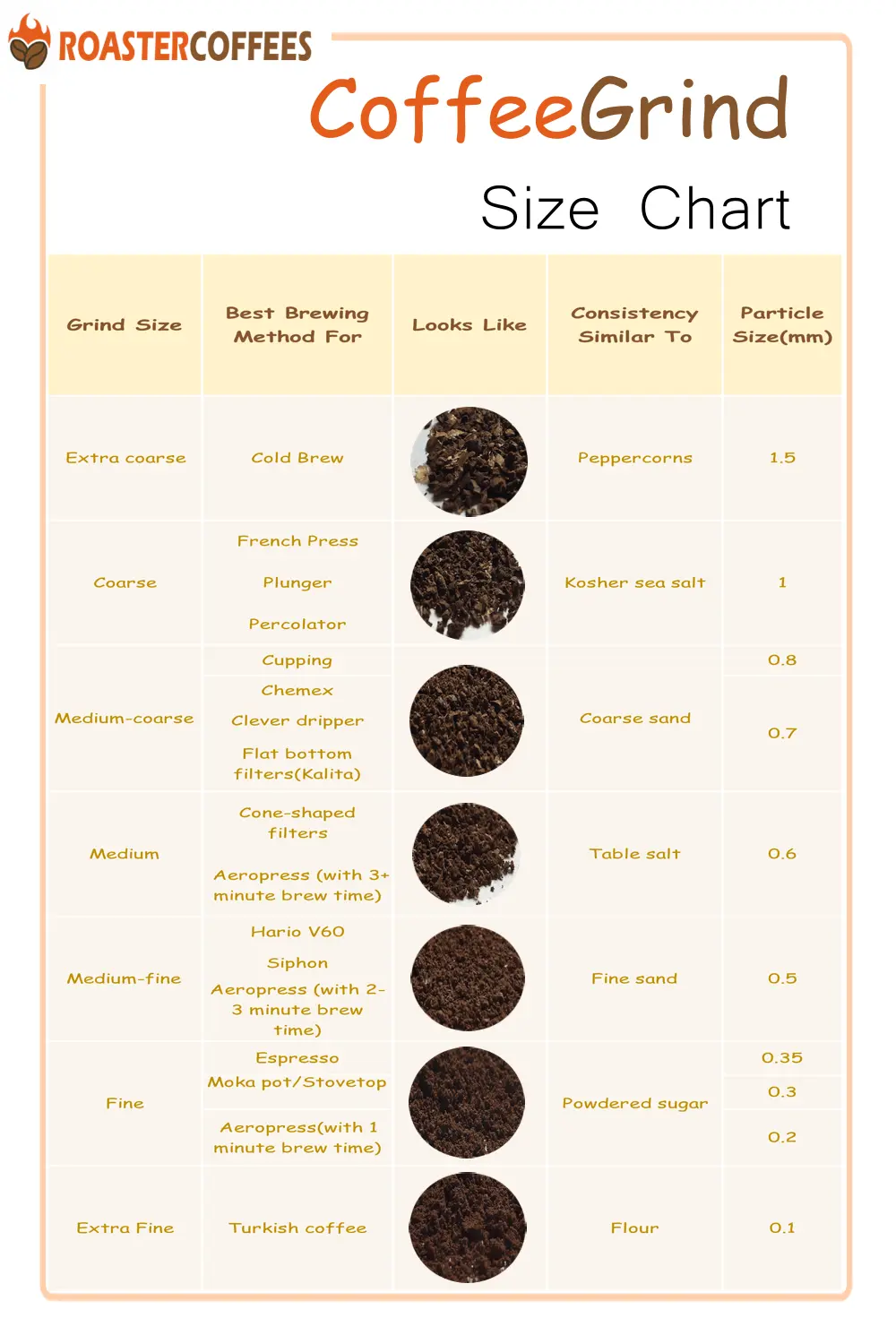
Grind Size: Different brewing methods require different grind sizes. For example, Espresso requires a very fine grind, while French Press calls for a coarser grind. Each method’s ideal grind size affects the rate of extraction, which in turn influences flavor.
Grind Consistency: A uniform grind ensures even extraction, while uneven grinds can lead to bitterness from over-extraction or sourness from under-extraction.
Freshness: Grinding your coffee just before brewing preserves the volatile compounds responsible for aroma and flavor. Pre-ground coffee starts to lose its essential oils and flavors within minutes, which is why fresh grinding is so important.
2. Types of Coffee Grinders: Which One Is Right for You?
When choosing a coffee grinder for your home, you’ll primarily be deciding between two types: Blade Grinders and Burr Grinders. Below is a breakdown of the two, along with a more in-depth look at their strengths and weaknesses.
2.1 Blade Grinders
Blade grinders are the more affordable and widely available option. They operate with a small metal blade that spins rapidly to chop the coffee beans into smaller pieces.
Pros:
Affordable: Blade grinders are usually the least expensive option, making them great for beginner coffee drinkers.
Portable: Compact and easy to store.
Quick: They can grind coffee quickly, which is helpful for busy mornings.
Cons:
Inconsistent Grind: The main downside of blade grinders is their lack of consistency. Beans are chopped unevenly, leading to grounds of different sizes, which can cause uneven extraction and affect the flavor.
Overheating: Blade grinders can heat the coffee beans during grinding, which may alter the flavor profile by burning the delicate oils.
Who should use it? Blade grinders are best for beginners or casual coffee drinkers who don't mind the trade-off between price and grind quality. However, serious coffee enthusiasts will eventually outgrow a blade grinder.
2.2 Burr Grinders
Burr grinders are the preferred choice for home brewers who want consistency and precision. They use two revolving abrasive surfaces (burrs) to crush the beans into uniform particles.
Pros:
Uniform Grind: Burr grinders provide a more consistent grind, which is critical for achieving the best extraction and flavor.
Adjustable Settings: Most burr grinders allow you to adjust the grind size, which is essential for different brewing methods.
Less Heat Generation: Burr grinders are less likely to heat the beans during grinding, preserving the delicate compounds in coffee.
Cons:
Expensive: High-quality burr grinders tend to be more expensive than blade grinders.
Slower: Burr grinders are generally slower than blade grinders, as they grind beans more thoroughly.
Larger Size: They tend to take up more counter space and may be more cumbersome to store.
Who should use it? Burr grinders are ideal for anyone who takes coffee seriously. Whether you're a beginner looking to improve your brew or a professional refining your technique, a burr grinder is a worthwhile investment.
2.3 Manual vs. Electric Burr Grinders
Burr grinders can be either manual or electric, and the choice between the two largely depends on your personal preferences and usage needs.
Manual Burr Grinders:
Pros:
Less expensive than electric models.
Portable and compact—great for travel or small kitchens.
Allows for more control over the grinding process.
Cons:
More labor-intensive—requires physical effort to grind the beans.
Slower than electric grinders.
Electric Burr Grinders:
Pros:
Fast and convenient—ideal for busy coffee drinkers.
Consistent grind size with less effort.
Can grind larger quantities of coffee at once.
Cons:
More expensive than manual grinders.
Larger and less portable.
Which one should you choose? If you brew coffee daily and prefer convenience, an electric burr grinder will serve you well. If you want a more affordable, portable option, or if you’re brewing small batches, a manual burr grinder is a great choice.
3. How to Choose the Right Grinder for Your Brewing Method
Your choice of grinder should depend on the brewing method you use most frequently. Different brewing methods require different grind sizes, so it's essential to pick a grinder that offers the necessary grind range and consistency.
Espresso: Espresso requires a fine, consistent grind. A high-quality burr grinder with fine adjustment settings is a must for making great espresso.
French Press: A coarse grind is necessary for French Press. Choose a grinder that can easily handle coarser settings without too much variation.
Pour-Over: A medium grind is ideal for pour-over methods. The grinder should be capable of achieving this mid-range grind size.
Cold Brew: Like French Press, cold brew requires a coarse grind. Ensure your grinder can easily handle large, uniform particles for the best extraction.
What to Look for in a Grinder for Different Brewing Methods:
Range of Grind Sizes: Ensure that your grinder can handle fine to coarse grinds, depending on the brewing method.
Consistency: Look for a grinder that produces uniform grounds, as inconsistency will lead to poor extraction and flavor.
Ease of Use: Make sure the grinder is easy to use, clean, and maintain.
4. Maintaining Your Coffee Grinder
A well-maintained grinder will not only perform better but will also last longer. Here’s how to keep your grinder in top condition:
4.1 Regular Cleaning
Cleaning your grinder regularly is essential for maintaining grind consistency and preserving the flavor of your coffee. Residual oils, coffee particles, and grinds can build up over time, leading to stale coffee and potentially affecting the motor's performance.
Blade Grinders: Clean with a dry cloth or brush. If your grinder has accumulated oil or coffee residue, you can grind a small amount of uncooked rice to absorb oils and clean the blade.
Burr Grinders: Most burr grinders have removable burrs that can be cleaned with a soft brush. Periodically, you may want to disassemble the grinder and clean it thoroughly with a vacuum cleaner or a soft, damp cloth.
The relationship between coffee grinders and coffee grind size charts is essential for achieving optimal brewing results. Coffee grinders are responsible for determining the grind size, which significantly impacts the extraction process and flavor profile of the coffee. A proper grind size ensures that water interacts with the coffee grounds at the correct rate, leading to a balanced cup.
Coffee grinders come in two main types: blade grinders and burr grinders. Blade grinders are less precise, producing an uneven grind, which can result in inconsistent extraction and uneven flavor. Burr grinders, on the other hand, offer a much more consistent grind, allowing for a more controlled and precise extraction, essential for achieving the perfect cup.
A coffee grind size chart is a useful guide that helps users determine the right grind size for their brewing method. For example, espresso requires a fine grind, while French press benefits from a coarse grind. A medium grind is ideal for drip coffee makers. The grind size chart helps users match the grind to the brewing method, ensuring the correct extraction time and optimal flavor.
Using a coffee grind size chart alongside a high-quality grinder ensures consistent results, allowing coffee drinkers to tailor their coffee to their exact preferences.
4.2 Adjusting the Grind Size
As you use your grinder, the burrs may wear down slightly, affecting the grind consistency. If you notice uneven grinding or difficulty achieving the desired grind size, it might be time to recalibrate or replace the burrs.
4.3 Lubrication
Some high-end grinders, particularly manual burr grinders, require periodic lubrication. Always check the manufacturer’s instructions to ensure you use the correct type of lubricant.
4.4 Storing Your Grinder
Avoid leaving it in direct sunlight, as this can cause wear and tear over time. If you use a manual grinder, keep it in a clean, dust-free area to maintain its performance.
5. Additional Tips for Getting the Most from Your Grinder
Grind Just Before Brewing: Always grind your coffee immediately before brewing to preserve freshness. Coffee starts to lose its flavor within minutes of grinding.
Use the Right Grind Size: Always match the grind size to your brewing method. Too fine or too coarse a grind can lead to over-extraction or under-extraction, resulting in undesirable flavors.
Use Quality Beans: Even the best grinder won’t perform well with low-quality coffee beans. Invest in high-quality, freshly roasted coffee beans for the best results.
Know When to Replace Your Grinder: A grinder can last for years if well-maintained, but if you notice any performance issues (uneven grind, motor failure, etc.), it may be time to invest in a new one.
Conclusion
Choosing and maintaining the right home coffee grinder is an investment that pays off in flavor, consistency, and the overall quality of your coffee. By understanding the differences between blade and burr grinders, selecting the right grinder for your brewing method, and committing to proper maintenance, you can elevate your coffee brewing experience. Whether you’re just starting out or are a seasoned professional, a high-quality grinder is one of the most essential tools in crafting the perfect cup of coffee.
References: Unlocking the Secrets of Coffee Aroma and Flavor The Fragrant Mystery: What Creates the Aroma of Coffee?


